

Bariatric Wheelchair Seat Width
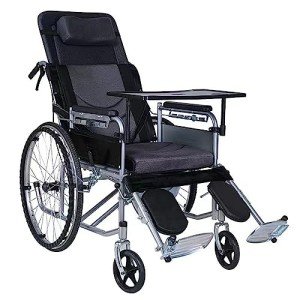
Seat Width
Having the correct seat width is very important to wheelchair users who invest longer periods in their chairs. Too narrow a seat will trigger pressure on the hips and thighs which might lead to sores or pressure points. Having too wide a seat can likewise make it difficult for the user to reach the hand rims to propel themselves or maneuver in small spaces.
To measure the right seat width an individual would sit on a chair typically and have their measurement taken across their lap at the widest point which is typically their hips. A wheelchair determining tape can be used to measure this, however a yard stick is preferred as it avoids people from covering the tape around their hips which would give an unreliable result.
The basic wheelchair seat width is 16" (narrow adult), 18" (standard grownup), and 20" (large adult). For bariatric clients, a 24" seat is readily available. This sturdy additional large bariatric wheelchair from Medline includes swing-away footrests, a carbon steel frame with rust- and chip-resistant chrome plating, and easy-to-clean vinyl upholstery. It has a weight capacity of 500 pounds.
Seat Depth
Generally, the seat depth of a bariatric wheelchair was added 2" to the measurement taken at the user's largest point (usually their hips). This was suggested to accommodate extra layers of clothes that might be worn throughout cold weather. However, this practice is becoming less typical as wheelchair users have the ability to spend more time indoors and are not wearing long coats. This makes the seat depth of a chair lesser when choosing a bariatric wheelchair. However, it is still crucial to pick an alternative that provides adequate support for bigger users.
The Medline folding additional broad bariatric manual wheelchair includes a comfortable 24" seat width and a heavy-duty slide tube silver vein frame. It likewise has an adjustable axle and tool-free raising legrests.
Seat Height
When it comes to determining the correct wheelchair seat width you must always measure from the user's largest point which is usually their hips. You will also require to consider whether the user is going to be wearing a winter coat as this might include 2" to the width needed.
When a wheelchair remains in usage it need to only be operated on level surfaces with the wheel locks fully engaged. This is to prevent the chair from having the ability to move inclines that are 10 degrees or higher. It is likewise crucial to bear in mind that any activity that may move the center of mass in the chair must be made with care. This includes grabbing products that require the person to lean out of their seat or trying to stand up from it.
Whenever you have the chair in usage it is advised that you regularly inspect it for damage and lubricate any areas that are considered required. For example, the casters should be lubricated by getting rid of the caster fork and using a multi-purpose grease to apply to the caster stem bearings. Also, the foot plates can be changed by loosening the bolt and after that moving them to the preferred position. This permits the feet to sit easily on the footplate and prevents any pressure points from forming. This can be extremely uneasy for the user and if left ignored, can cause pressure sores.
Weight Capacity
Bariatric wheelchairs are developed to support more weight than basic wheelchairs. bariatric wheel chair makes them tougher and better geared up to manage falls. They are likewise typically larger and broader, making them less maneuverable in tight spaces than standard wheelchairs. They need cars with special ramps and lifts to fill them, as well as motorists who understand how to best transport them from one location to the next.
When choosing a wheelchair, consider its weight capacity as it will be the main determining element in whether it will accommodate your traveler's needs. The weight capacity of the chair is often listed as a fixed load, meaning that it indicates the quantity of weight the chair can conveniently hold while standing still. Nevertheless, some producers likewise list an active load that is based upon a drop test and can simulate the effect of someone taking a seat in the chair. This may be a more reliable measurement of the weight limit, depending on your needs.
If you prepare to carry out activities that move your center of mass in the seat (such as reaching for things), be sure to have front casters pointed in a forward direction and wheel locks engaged so the chair will not tip over. Also, examine that casters are lubricated routinely to prevent excessive wear and abrasions. The lubrication procedure involves removing the fork, separating the caster from the wheel, and greasing the caster stem bearings with top quality multi-purpose grease.